
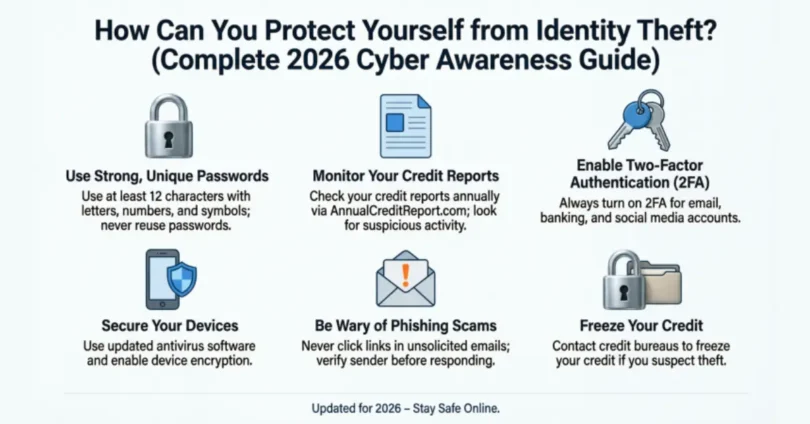

Identity theft is no longer a rare cybercrime. It happens every day –
The good news? You can protect yourself.
In this complete cyber awareness guide, you’ll learn:
- What identity theft really is
- How criminals steal your data
- Warning signs to watch for
- Smart prevention strategies
- What to do immediately if your identity is stolen
- How AI is changing cybercrime in 2026
Let’s start.
What Is Identity Theft?
Identity theft happens when someone steals your personal information – such as your Social Security number, bank details, passwords, or credit card data – and uses it without your permission.
Criminals may:
- Open credit cards in your name
- Take loans using your identity
- Drain your bank account
- File fake tax returns
- Commit crimes under your name
Identity fraud is the result. Identity theft is the act.
May be you like it:
Calgary Tech News Today: Startups, AI Growth & Innovation Updates
Property Management Tech News: Latest Trends, AI, and Future Insights (2026 Guide)
Poland Tech News 2026: Startups, Innovation, and Industry Trends
Why Identity Theft Is Growing in 2026
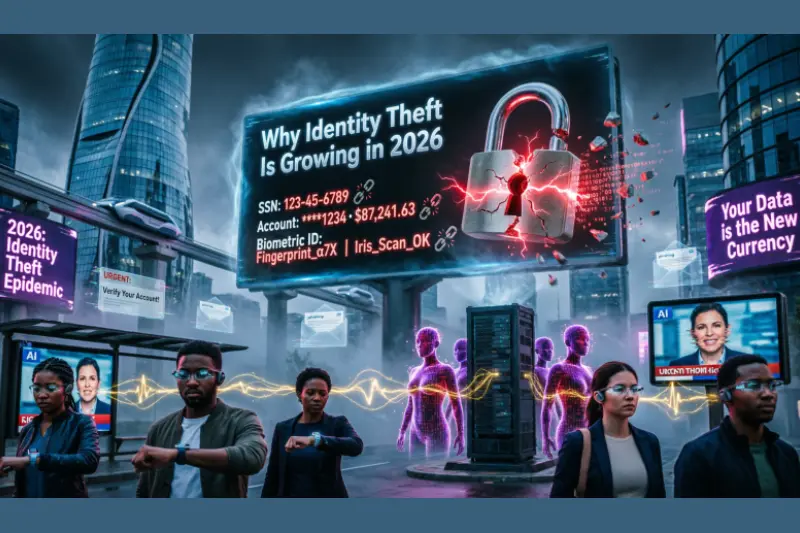
Cybercriminals are smarter than ever. They now use:
- AI-powered phishing emails
- Deepfake voice scams
- Automated password-cracking tools
- Dark web marketplaces
- Massive corporate data breaches
With more digital payments, remote work, and social media use, personal data exposure has increased dramatically.
Cyber awareness is no longer optional – it is essential.
Common Types of Identity Theft
Understanding the different types helps you protect yourself better.
Financial Identity Theft
The most common form. Criminals use your banking or credit information to steal money or open accounts.
Medical Identity Theft
Someone uses your insurance details for medical treatment.
Criminal Identity Theft
A criminal gives your name during an arrest.
Synthetic Identity Theft
Fraudsters combine real and fake information to create a new identity.
Child Identity Theft
Children’s clean credit profiles make them prime targets.
How Cybercriminals Steal Your Identity
Here are the most common attack methods:
Phishing Scams
Fake emails or messages pretending to be your bank, employer, or government agency.
Data Breaches
Hackers steal millions of user records from companies.
Malware and Spyware
Malicious software records keystrokes and steals login credentials.
Public Wi-Fi Snooping
Unsecured networks allow attackers to intercept your data.
Social Media Oversharing
Birthdays, addresses, and family names help hackers guess passwords.
Mail Theft
Stolen bank statements or credit offers expose sensitive details.
15 Smart Ways to Protect Yourself from Identity Theft
Now let’s focus on prevention.
1. Use Strong, Unique Passwords
- Minimum 12–16 characters
- Mix letters, numbers, and symbols
- Never reuse passwords
Use a trusted password manager to store them securely.
2. Enable Multi-Factor Authentication (MFA)
MFA adds a second layer of security.
Even if hackers steal your password, they cannot access your account without verification.
Use authentication apps instead of SMS when possible.
3. Freeze Your Credit
A credit freeze prevents criminals from opening new accounts in your name.
You can unfreeze it anytime if needed.
This is one of the most powerful identity theft prevention strategies – yet many competitors rarely explain it properly.
4. Monitor Your Bank & Credit Reports
Check:
- Unfamiliar transactions
- New accounts you did not open
- Sudden credit score drops
Set up real-time banking alerts.
5. Avoid Public Wi-Fi for Financial Activities
If you must use public Wi-Fi:
- Use a VPN
- Avoid entering sensitive information
6. Be Alert to AI-Based Scams
In 2026, criminals use:
- Deepfake voice calls pretending to be family members
- AI-generated phishing emails with perfect grammar
- Fake video messages
If something feels urgent or emotional, pause and verify.
7. Limit Personal Information Online
Avoid sharing:
- Full birth date
- Home address
- Vacation plans
- Phone numbers
Review your privacy settings regularly.
8. Shred Sensitive Documents
Destroy:
- Bank statements
- Medical bills
- Pre-approved credit offers
Dumpster diving is still a real threat.
9. Install Security Updates Immediately
Software updates patch vulnerabilities hackers exploit.
Never delay system updates.
10. Use Reliable Antivirus & Anti-Malware
Security software protects you from:
- Ransomware
- Spyware
- Keyloggers
11. Secure Your Email Account First
Your email controls password resets.
- Enable MFA
- Use a unique password
- Review recovery options
12 Watch for Identity Theft Warning Signs
Look out for:
- Denied loan applications
- Debt collection calls for unknown accounts
- Unknown login alerts
- Medical bills you do not recognize
- Password reset emails you did not request
13. Protect Your Children’s Identity
- Freeze their credit
- Keep Social Security numbers private
- Educate them about online safety
14. Protect Elderly Family Members
Seniors are frequent scam targets.
Teach them to:
- Ignore urgent phone calls
- Never share banking details
- Verify suspicious messages
15. Consider Identity Theft Protection Services
Look for services offering:
- Dark web monitoring
- Credit monitoring
- Fraud alerts
- Identity recovery assistance
- Insurance coverage
Avoid services that only monitor – choose those that help you recover too.
What To Do Immediately If Your Identity Is Stolen
If you suspect identity theft, act fast.
Step 1: Contact Your Bank
Freeze or close compromised accounts.
Step 2: Change All Passwords
Start with your email and financial accounts.
Step 3: Place a Fraud Alert or Credit Freeze
This blocks new credit applications.
Step 4: Report Identity Theft
File a report with your local law enforcement and national fraud agency.
Step 5: Monitor Everything Closely
Track accounts daily for unusual activity.
Quick action minimizes financial damage.
Identity Theft Myths vs Facts
Myth: Strong passwords alone are enough.
Fact: You need MFA and monitoring too.
Myth: Only wealthy people are targeted.
Fact: Criminals target everyone.
Myth: I do not shop online, so I am safe.
Fact: Data breaches can expose anyone.
Quick Cyber Awareness Checklist
Save this checklist:
- Use strong, unique passwords
- Enable MFA everywhere
- Freeze your credit
- Monitor bank accounts weekly
- Avoid public Wi-Fi for banking
- Install updates immediately
- Shred personal documents
- Watch for suspicious emails
- Protect children and seniors
- Stay alert to AI scams
May be you like it:
Cool Tools for Men: Essential Gadgets & Gear You’ll Love
Pet Tech Gadgets: The Ultimate Guide for Modern Pet Owners
Man Stuff: Essential Grooming, Lifestyle & Gift Ideas for Men
FAQs
How can I protect myself from identity theft?
You can protect yourself by using strong unique passwords, enabling multi-factor authentication, freezing your credit, monitoring your bank accounts, and staying alert to phishing scams.
What are the first signs of identity theft?
Common signs include unfamiliar charges, denied credit applications, unknown login alerts, debt collection calls, or password reset emails you did not request.
What should I do immediately if my identity is stolen?
Contact your bank, change all passwords, place a fraud alert or credit freeze, report the theft to authorities, and monitor your accounts closely.
Is credit monitoring enough to prevent identity theft?
No. Credit monitoring helps detect fraud, but you also need strong passwords, multi-factor authentication, secure devices, and cyber awareness habits.
How do hackers steal personal information?
Hackers use phishing emails, malware, data breaches, public Wi-Fi attacks, social engineering, and AI-powered scams to steal personal information.
Can identity theft happen without me knowing?
Yes. Identity theft can go unnoticed for months until you see unusual bank activity, loan denials, or changes in your credit report.
Is public Wi-Fi safe for online banking?
No. Public Wi-Fi networks are often unsecured. Avoid accessing banking apps or entering sensitive information unless you use a secure VPN.
How does multi-factor authentication protect me?
Multi-factor authentication adds a second verification step, such as a code from an app, making it much harder for hackers to access your accounts.
Can children become victims of identity theft?
Yes. Children are common targets because they have clean credit histories. Parents should freeze their child’s credit and protect their personal information.
Are AI scams a real threat in 2026?
Yes. Cybercriminals now use AI to create realistic phishing emails, deepfake voice calls, and automated hacking tools. Staying alert and verifying suspicious requests is essential.
Final Thoughts
Identity theft is not a distant threat – it is a daily reality in our digital world. From phishing emails and AI-powered scams to data breaches and public Wi-Fi risks, cybercriminals are constantly looking for opportunities. But the most important thing to remember is this: you are not powerless.
Simple, consistent actions make a powerful difference.
Using strong and unique passwords, enabling multi-factor authentication, freezing your credit, monitoring your financial accounts, and staying alert to suspicious messages can dramatically reduce your risk. Cyber awareness is not about being afraid of technology – it is about using it wisely.
The internet will continue to evolve, and so will cyber threats. By staying informed, updating your security practices, and educating your family members, you build a strong defense around your digital identity.
Protect your information. Stay alert. Act quickly if something feels wrong.
May be you like it:
Flash Code Login: Complete Guide to Secure Access (2026)
Digital Marketing Packages: Complete Guide to Pricing, ROI & Choosing the Right Plan (2026)



[…] Dados pessoais […]