
Introduction
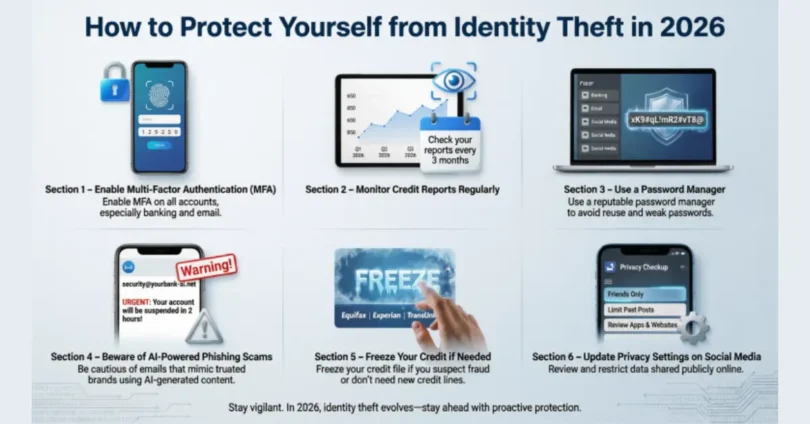
In today’s digital world, learning how to protect yourself from identity theft in 2026 has become more important than ever before.This question has become more important than ever in today’s digital world. From online banking and shopping to social media and remote work, our personal information is constantly shared across the internet. Cybersecurity are using advanced tools, including artificial intelligence, phishing scams, and data breaches, to steal identities faster than ever before. Understanding how to protect yourself from identity theft through strong cyber awareness is no longer optional . it is essential. By learning the risks, recognizing warning signs, and adopting smart security habits, you can stay one step ahead and safeguard your financial and personal information.
How Can You Protect Yourself from Identity Theft Cyber Awareness?
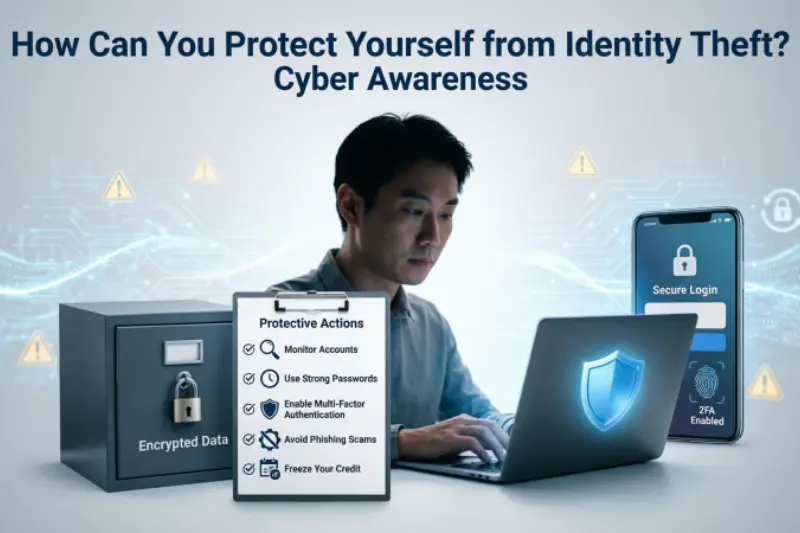
Identity theft is no longer just a “cybercrime issue.” It is a daily risk in our hyper-connected world. From online shopping and banking to social media and AI Tools work, your personal information travels across dozens of digital platforms every day.
So the real question is:
How can you protect yourself from identity theft with strong cyber awareness?
This complete 2026 guide goes beyond basic advice. You’ll learn:
- Modern identity theft threats (including AI scams)
- Early warning signs
- Advanced prevention strategies
- Credit freeze vs fraud alert explained
- What to do immediately if your identity is stolen
Let’s build your digital defense system.
May be you like it:
Calgary Tech News Today: Startups, AI Growth & Innovation Updates
Property Management Tech News: Latest Trends, AI, and Future Insights (2026 Guide)
Poland Tech News 2026: Startups, Innovation, and Industry Trends
What Is Identity Theft?
Identity theft happens when someone steals your personal information and uses it without your permission usually for financial gain.
Criminals may use your data to:
- Open credit cards or loans
- File fake tax returns
- Access your bank accounts
- Create fake online accounts
- Commit crimes under your name
- Steal cryptocurrency or investments
With artificial intelligence and data breaches rising, identity theft in 2026 is more advanced than ever.
Modern Types of Identity Theft (You Must Know These)
Most competitors only mention financial fraud. But today’s threats go further.
1) Financial Identity Theft
Opening credit accounts or draining bank balances.
2) Medical Identity Theft
Using your insurance for treatment or prescriptions.
3) Tax Identity Theft
Filing fraudulent tax returns for refunds.
4) Child Identity Theft
Using a child’s Social Security number to build fake credit.
5) Synthetic Identity Theft (Rising Fast)
Criminals combine real and fake data to create a new identity. This is harder to detect.
6) SIM Swap Fraud
Attackers transfer your phone number to their device to access banking codes.
7) AI Voice Cloning & Deepfake Scams
Cybercriminals use AI to imitate voices or faces to trick victims.
8) Crypto & Investment Identity Theft
Stealing digital wallets and online brokerage access.
Cyber awareness means understanding all these evolving risks.
Warning Signs of Identity Theft
Early detection can save you thousands of dollars.
Watch for:
- Unfamiliar transactions
- Credit card charges you didn’t make
- New accounts on your credit report
- Collection calls for unknown debts
- Tax return rejection (duplicate filing)
- Bank login alerts from unknown locations
- Phone suddenly losing signal (possible SIM swap)
Never ignore these red flags.
25 Powerful Ways to Protect Yourself from Identity Theft
Here’s your complete cyber awareness checklist.
A. Strengthen Your Digital Security
Use Strong, Unique Passwords
- Minimum 14–16 characters
- Mix of letters, numbers, symbols
- Never reuse passwords
Use a Password Manager
Encrypted storage prevents browser-based hacks.
Enable Multi-Factor Authentication (MFA)
Adds an extra verification step beyond passwords.
Use Biometric Locks
Fingerprint or facial recognition adds protection.
Keep Software Updated
Updates fix security vulnerabilities.
Install Reliable Security Software
Antivirus + anti-malware tools are essential.
B. Protect Yourself Online
Avoid Public Wi-Fi for Banking
If necessary, use a VPN.
Be Alert to Phishing Emails
Never click suspicious links.
Verify Website Security
Look for HTTPS and a padlock icon.
Limit Social Media Sharing
Avoid posting:
- Birthdate
- Address
- Phone number
- Travel plans
Oversharing fuels identity fraud.
C. Financial Protection Strategies
Monitor Your Credit Reports
Check for unfamiliar accounts.
Freeze Your Credit (Free & Powerful)
Prevents new accounts from being opened.
Set Up Transaction Alerts
Receive instant notifications from banks.
Use Separate Cards for Online Shopping
Limit exposure.
Secure Your Social Security Number
Never email or store it digitally.
D. AI & Advanced Scam Protection (2026 Focus)

Most articles miss this section.
Be Cautious of Voice Cloning Scams
If a “relative” calls asking for money:
- Hang up
- Call them directly on their known number
Verify Video Calls Carefully
Deepfake scams are increasing.
Monitor Data Breaches
Check if your email appears in breach databases.
Opt-Out of Data Broker Websites
Reduce publicly available personal data.
E. Mobile & SIM Protection
- Add a SIM lock or PIN
- Avoid unknown apps
- Enable remote wipe
- Keep banking apps updated
SIM swap attacks often bypass traditional security.
F. Physical Protection Still Matters
- Shred sensitive documents
- Secure your mailbox
- Never share details over unsolicited phone calls
- Carry only necessary IDs
Cyber awareness includes physical awareness too.
Credit Freeze vs Fraud Alert (Know the Difference)
| Feature | Credit Freeze | Fraud Alert |
|---|---|---|
| Stops new credit accounts | Yes | Warning only |
| Requires manual removal | Yes | No |
| Cost | Free | Free |
| Level of protection | High | Moderate |
If you suspect risk, a credit freeze is stronger.
What To Do If Your Identity Is Stolen
Act fast. Follow these steps:
- Freeze your credit immediately.
- Contact your bank and credit card providers.
- Change all passwords.
- Enable MFA everywhere.
- File a report at IdentityTheft.gov (US) or your local authority.
- Monitor accounts daily.
- Consider identity theft insurance if damage is severe.
Quick action reduces financial loss.
Why Cyber Awareness Is Your Strongest Defense
Cybercriminals rely on:
- Distraction
- Urgency
- Fear
- Lack of knowledge
When you understand how identity theft works, you become a difficult target.
Cyber awareness means:
- Staying informed
- Thinking before clicking
- Monitoring regularly
- Acting quickly
Prevention is easier than recovery.
May be you like it:
Cool Tools for Men: Essential Gadgets & Gear You’ll Love
Pet Tech Gadgets: The Ultimate Guide for Modern Pet Owners
Man Stuff: Essential Grooming, Lifestyle & Gift Ideas for Men
FAQs on How to Protect Yourself from Identity Theft in 2026
What are the newest identity theft threats in 2026?
In 2026, identity theft has evolved beyond basic phishing scams. Criminals now use AI-powered voice cloning, deepfake videos, synthetic identity fraud, SIM swap attacks, and automated phishing campaigns. Cyber awareness means staying informed about these modern threats and updating your security practices regularly.
How does AI increase the risk of identity theft?
Artificial intelligence allows cybercriminals to automate attacks, analyze stolen data faster, and create highly personalized scams. AI can clone voices, generate fake videos, and craft realistic phishing emails that are harder to detect. Strong multi-factor authentication (MFA) and cautious verification practices help reduce this risk.
What is synthetic identity theft and why is it dangerous?
Synthetic identity theft occurs when criminals combine real personal information (like your Social Security number) with fake details to create a new identity. It is dangerous because it often goes undetected for years, damaging credit quietly before victims realize it.
Is freezing your credit the best way to prevent identity theft?
A credit freeze is one of the most effective tools to prevent new credit accounts from being opened in your name. While it does not stop all types of identity theft, it significantly reduces financial fraud risk. It is free and can be temporarily lifted when needed.
How can I protect myself from SIM swap fraud?
To prevent SIM swap attacks:
Add a PIN or password to your mobile carrier account.
Avoid sharing phone numbers publicly.
Enable app-based authentication instead of SMS codes.
Contact your carrier immediately if your phone suddenly loses service.
How often should I check my credit report in 2026?
Experts recommend checking your credit report at least once every three months. Regular monitoring helps detect unfamiliar accounts, credit inquiries, or suspicious activity early before financial damage escalates.
Can identity theft happen without financial loss?
Yes. Identity theft does not always involve immediate financial damage. Criminals may use your identity to commit crimes, open accounts slowly, create synthetic profiles, or access medical services. The impact may appear later in credit reports or legal issues.
Are password managers safe for protecting against identity theft?
Reputable password managers use strong encryption to protect stored credentials. They are safer than reusing passwords or storing them in browsers. Combined with multi-factor authentication, they significantly improve digital security.
What role does social media play in identity theft?
Oversharing on social media provides criminals with personal details such as birthdates, locations, employer names, and family connections. These details help attackers answer security questions or craft targeted phishing attacks. Adjust privacy settings and limit sensitive information online.
What should I do immediately if I suspect identity theft?
If you suspect identity theft:
1) Freeze your credit immediately.
2) Contact your bank and credit card companies.
3) Change all passwords.
4) Enable multi-factor authentication.
5) Report the fraud to local authorities or your country’s identity theft reporting service.
6) Monitor accounts daily for suspicious activity.
Acting quickly limits financial damage and speeds recovery.
Final Thoughts: Stay One Step Ahead
So, how can you protect yourself from identity theft cyber awareness?
By combining:
- Strong passwords
- Multi-layered authentication
- Credit monitoring
- AI scam awareness
- Data privacy control
- Immediate action when suspicious activity appears
Identity theft evolves. Your protection strategy must evolve too.
Stay alert. Stay proactive. Stay protected.
May be you like it:
Flash Code Login: Complete Guide to Secure Access (2026)
Digital Marketing Packages: Complete Guide to Pricing, ROI & Choosing the Right Plan (2026)